

Gut health has become one of the biggest wellness topics of the last decade and few phrases spark more debate than “leaky gut.”
Is it a real medical condition? A functional health concept? Or just another wellness buzzword?
Let’s separate myth from science and explore how specific herbs may help support the integrity of the gut lining.
What People Mean by “Leaky Gut”
“Leaky gut” is the popular term for increased intestinal permeability.
Your intestinal lining is not a solid wall, it’s more like a highly selective filter. It allows nutrients (amino acids, vitamins, minerals) to pass into the bloodstream while keeping bacteria, toxins, and undigested food particles out.
When this barrier becomes compromised, the tight junctions between intestinal cells loosen. This can allow substances to pass through that normally wouldn’t, triggering immune responses and inflammation.
The Science: Is Leaky Gut Real?
Yes...but not exactly in the way social media describes it.
Increased intestinal permeability is well documented in medical literature. It is associated with:
-
Celiac disease
-
Crohn's disease
-
Ulcerative colitis
-
Irritable bowel syndrome
-
Certain metabolic and autoimmune conditions
However, mainstream medicine does not currently recognize “leaky gut syndrome” as a standalone diagnosis in otherwise healthy individuals.
So the truth lies in the middle:
-
Intestinal permeability is real.
-
It plays a role in several diseases.
-
But it’s not yet established as the root cause of every symptom under the sun.
How the Gut Lining Actually Works

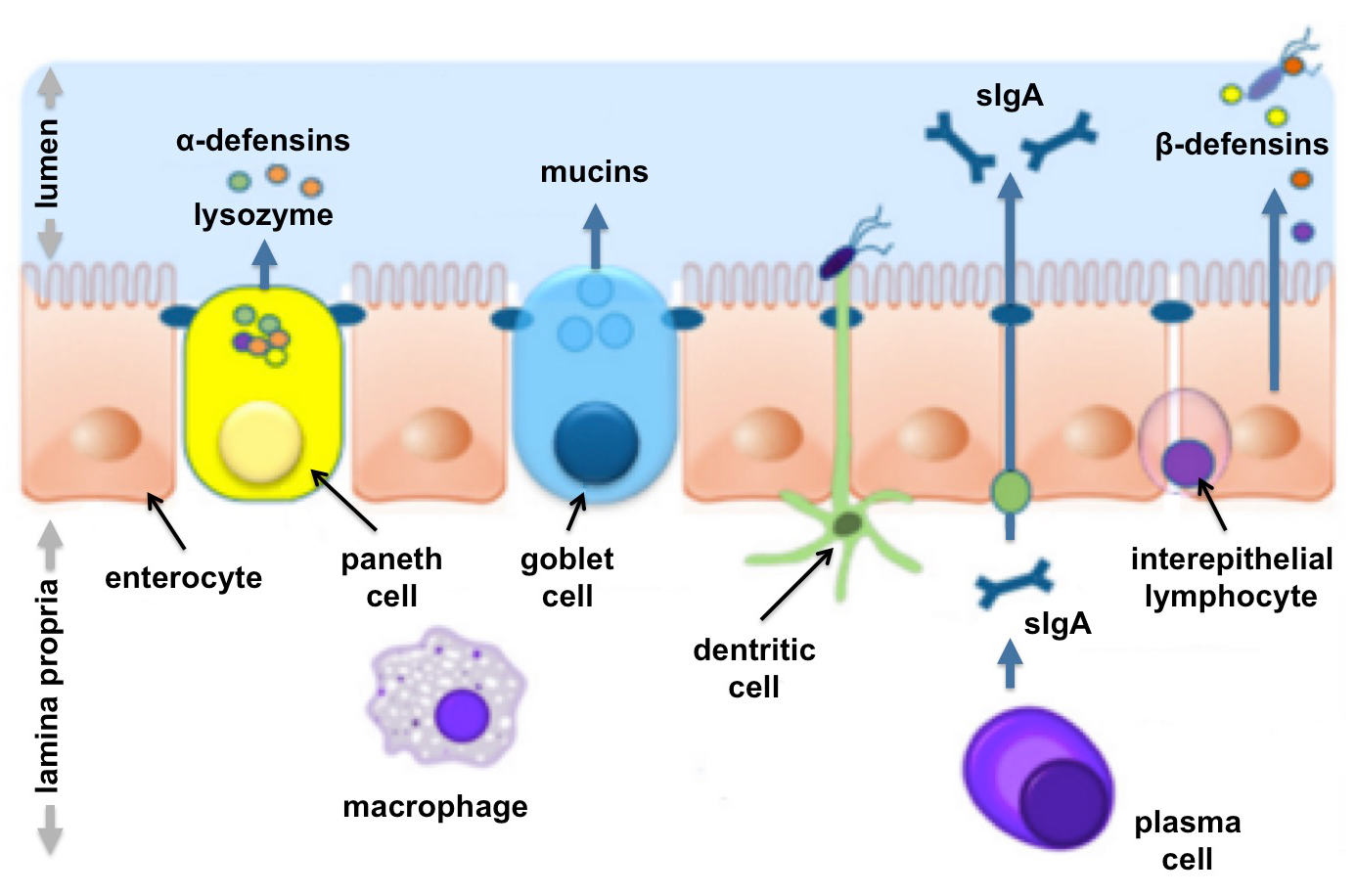

Your gut barrier is made up of:
-
Epithelial cells tightly packed together
-
Tight junction proteins (like claudin and occludin)
-
A mucus layer that protects the surface
-
Immune cells that patrol for invaders
-
A healthy microbiome
Damage can occur from:
-
Chronic inflammation
-
Infections
-
Alcohol overuse
-
NSAID overuse
-
High stress
-
Poor diet patterns
When inflammation persists, tight junction proteins can loosen, increasing permeability.
Common Myths About Leaky Gut
Myth #1: It’s Fake
Not true. Intestinal permeability is well documented in research.
Myth #2: It Causes Every Health Problem
There is no strong evidence that leaky gut alone causes things like depression, acne, or thyroid disease in otherwise healthy individuals.
Myth #3: One Supplement Can “Seal” Your Gut Overnight
Gut healing is complex. It involves diet, stress regulation, microbiome balance, and sometimes medical treatment, not just one miracle powder.
How Herbs Can Support the Gut Lining
Herbs don’t act like duct tape for the intestines. Instead, many support the gut indirectly by:
-
Reducing inflammation
-
Supporting mucus production
-
Modulating immune response
-
Promoting epithelial repair
Here are evidence-informed herbal allies:
Slippery Elm (Ulmus rubra)
Slippery elm is a demulcent herb, meaning it becomes gel-like when mixed with water.
Benefits:
-
Coats and soothes irritated mucosa
-
May reduce minor GI inflammation
-
Traditionally used for gastritis and bowel irritation
It doesn’t “seal” tight junctions directly but it provides a protective barrier effect.
Marshmallow Root (Althaea officinalis)
Another demulcent, marshmallow root:
-
Supports mucus membrane hydration
-
Soothes irritation
-
May reduce inflammatory signaling
Its polysaccharides form a soothing mucilage that helps calm irritated tissue.
Licorice Root (DGL Form) (Glycyrrhiza glabra)
Deglycyrrhizinated licorice (DGL):
-
May promote mucus production
-
Supports gastric lining integrity
-
Has anti-inflammatory properties
Important note: Whole licorice can raise blood pressure in high doses, DGL is generally preferred for gut support.
Turmeric (Curcuma longa)
-
Modulates inflammatory pathways (like NF-kB)
-
May help reduce intestinal inflammation
-
Has been studied in inflammatory bowel conditions
While not a “barrier patch,” reducing inflammation supports tissue repair.
Aloe Vera (Inner Fillet)
When using decolorized inner fillet only:
-
Soothes irritated tissue
-
May reduce inflammatory markers
-
Traditionally used for digestive support
Avoid whole-leaf aloe with latex for long-term use due to laxative effects.
Beyond Herbs: The Foundations Matter Most
Herbs work best when paired with:
-
Adequate protein intake
-
Fiber diversity
-
Stress reduction
-
Sleep optimization
-
Avoidance of trigger foods (if known)
-
Appropriate medical care for diagnosed conditions
Gut lining integrity depends on systemic balance, not just supplementation.
The Balanced Takeaway
Leaky gut isn’t a myth but it’s also not the universal root cause of all disease.
Intestinal permeability is:
-
A measurable biological phenomenon
-
Associated with certain diseases
-
Influenced by inflammation, stress, diet, and microbiome balance
Herbs like slippery elm, marshmallow root, licorice, turmeric, and aloe vera can support gut lining comfort and resilience, especially when used thoughtfully as part of a comprehensive plan.
If symptoms are persistent or severe, proper medical evaluation is essential.
