

When people think about health, they often focus on exercise routines, skincare, or vitamins. But beneath all of that lies a powerful and often overlooked system that influences nearly every aspect of your well-being: your gut.
Your gut does far more than digest food. It plays a central role in immunity, mental health, energy levels, inflammation, and even hormone balance. In many ways, gut health truly is the foundation of overall wellness.
What Is Gut Health?
Gut health refers to the balance and function of microorganisms living in your digestive tract, collectively known as the gut microbiome. These trillions of bacteria, fungi, and other microbes help break down food, produce essential nutrients, and protect your body from harmful invaders.
A healthy gut microbiome is diverse and balanced. When this balance is disrupted (a condition often called dysbiosis), it can contribute to digestive issues and broader health concerns.
1. Gut Health and Digestion
The most obvious role of the gut is digestion. A healthy digestive system:
-
Breaks down food efficiently
-
Absorbs nutrients properly
-
Eliminates waste regularly
-
Reduces bloating and discomfort
When gut bacteria are imbalanced, symptoms such as gas, constipation, diarrhea, or food sensitivities can appear. Over time, poor digestion can lead to nutrient deficiencies even if you’re eating well.
2. The Gut–Immune System Connection
Did you know that about 70% of your immune system resides in your gut?
Your gut microbiome helps train immune cells to distinguish between harmful pathogens and harmless substances. A balanced microbiome:
-
Reduces chronic inflammation
-
Strengthens defense against infections
-
Supports faster recovery
When gut health declines, the immune system can become overactive (leading to allergies or autoimmune issues) or underactive (increasing susceptibility to illness).
3. The Gut–Brain Axis: Mental Health Starts in the Gut
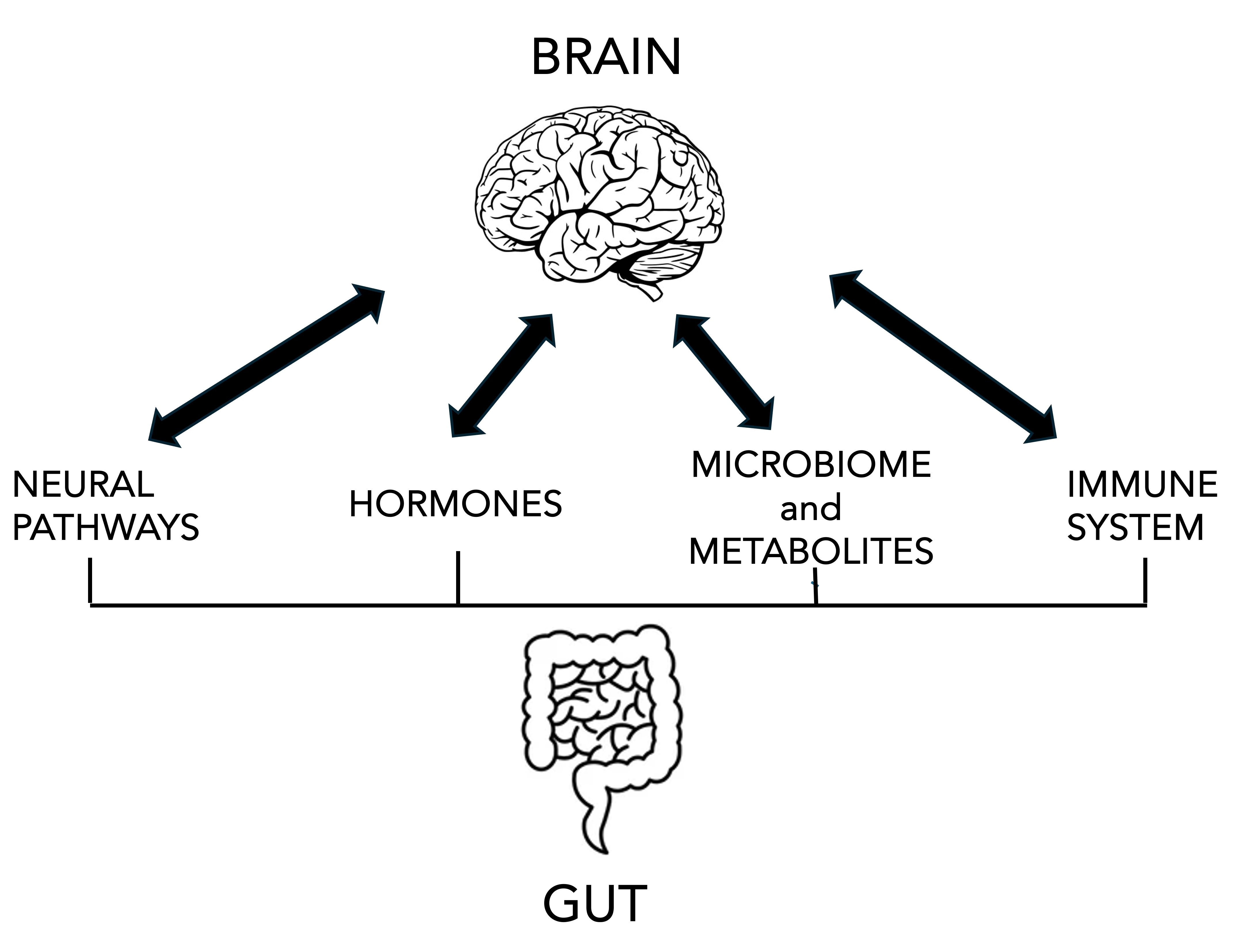
The gut and brain are constantly communicating through what scientists call the gut–brain axis. This connection involves the nervous system, hormones, and immune pathways.
Remarkably, about 90% of serotonin (a neurotransmitter that influences mood) is produced in the gut.
An unhealthy gut has been linked to:
-
Anxiety
-
Depression
-
Brain fog
-
Mood swings
Supporting gut health may help regulate mood, improve clarity, and promote emotional balance.
4. Gut Health and Inflammation
Chronic inflammation is at the root of many modern health conditions, including metabolic and cardiovascular issues.
A compromised gut lining (sometimes referred to as “leaky gut”) may allow toxins and partially digested food particles to enter the bloodstream, triggering inflammatory responses.
A healthy gut barrier:
-
Protects against systemic inflammation
-
Supports joint health
-
Promotes metabolic balance
-
Contributes to long-term disease prevention
5. Hormone and Metabolic Balance
Your gut microbiome helps regulate hormones such as estrogen, insulin, and cortisol. When gut bacteria are balanced:
-
Blood sugar levels stabilize
-
Cravings decrease
-
Energy improves
-
Hormones stay more balanced
Poor gut health, on the other hand, can contribute to weight gain, fatigue, and hormonal imbalances.
Signs Your Gut May Need Support
You don’t have to have severe digestive symptoms to have gut imbalance. Subtle signs include:
-
Persistent bloating
-
Frequent sugar cravings
-
Low energy
-
Skin issues (like acne or eczema)
-
Frequent colds
-
Brain fog
If several of these apply, your gut may be asking for attention.
How to Improve Gut Health Naturally
The good news? Your gut microbiome is highly responsive to lifestyle changes.
1. Eat More Fiber
Fiber feeds beneficial bacteria. Focus on:
-
Vegetables
-
Fruits
-
Legumes
-
Whole grains
2. Include Fermented Foods
Foods like yogurt, kefir, sauerkraut, and kimchi contain beneficial probiotics.
3. Reduce Ultra-Processed Foods
Highly processed foods and excessive sugar can disrupt microbiome balance.
4. Manage Stress
Chronic stress negatively impacts the gut–brain axis. Practices like meditation, walking, and deep breathing can help.
5. Prioritize Sleep
Poor sleep can alter gut bacteria and increase inflammation.
The Bigger Picture: A Whole-Body Approach
Gut health isn’t just about avoiding stomach aches, it’s about building resilience throughout the entire body. When your gut thrives:
-
Your immune system strengthens
-
Your mood stabilizes
-
Your energy improves
-
Inflammation decreases
-
Your body functions more efficiently
Instead of treating symptoms in isolation, supporting gut health addresses wellness at its root.
